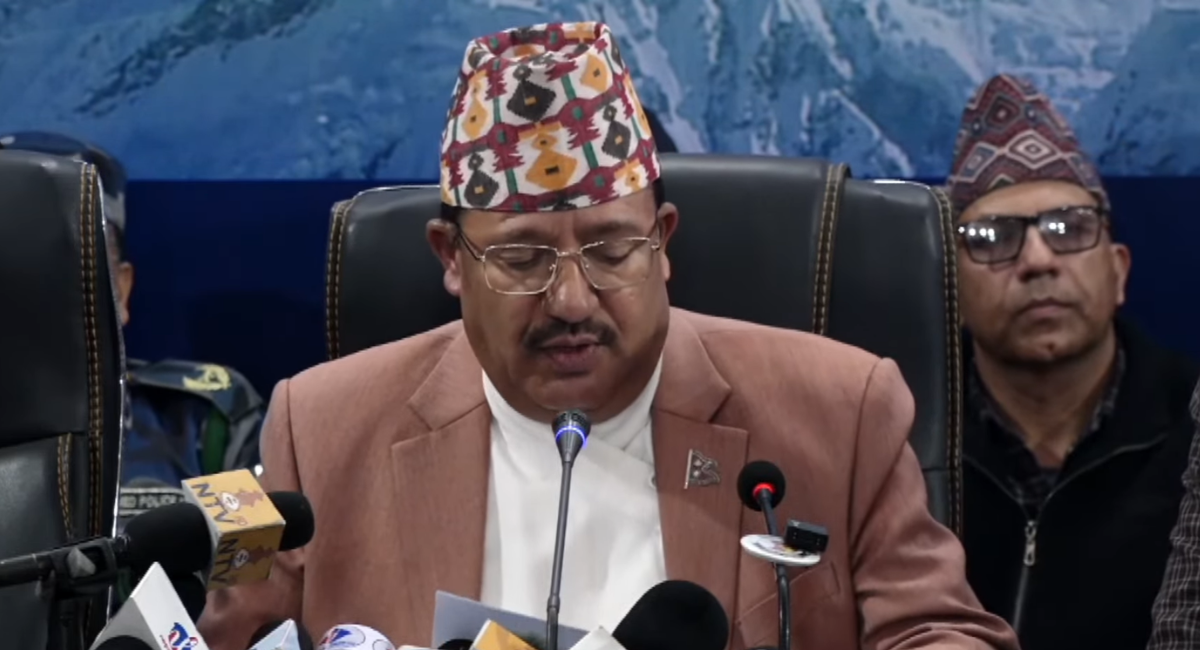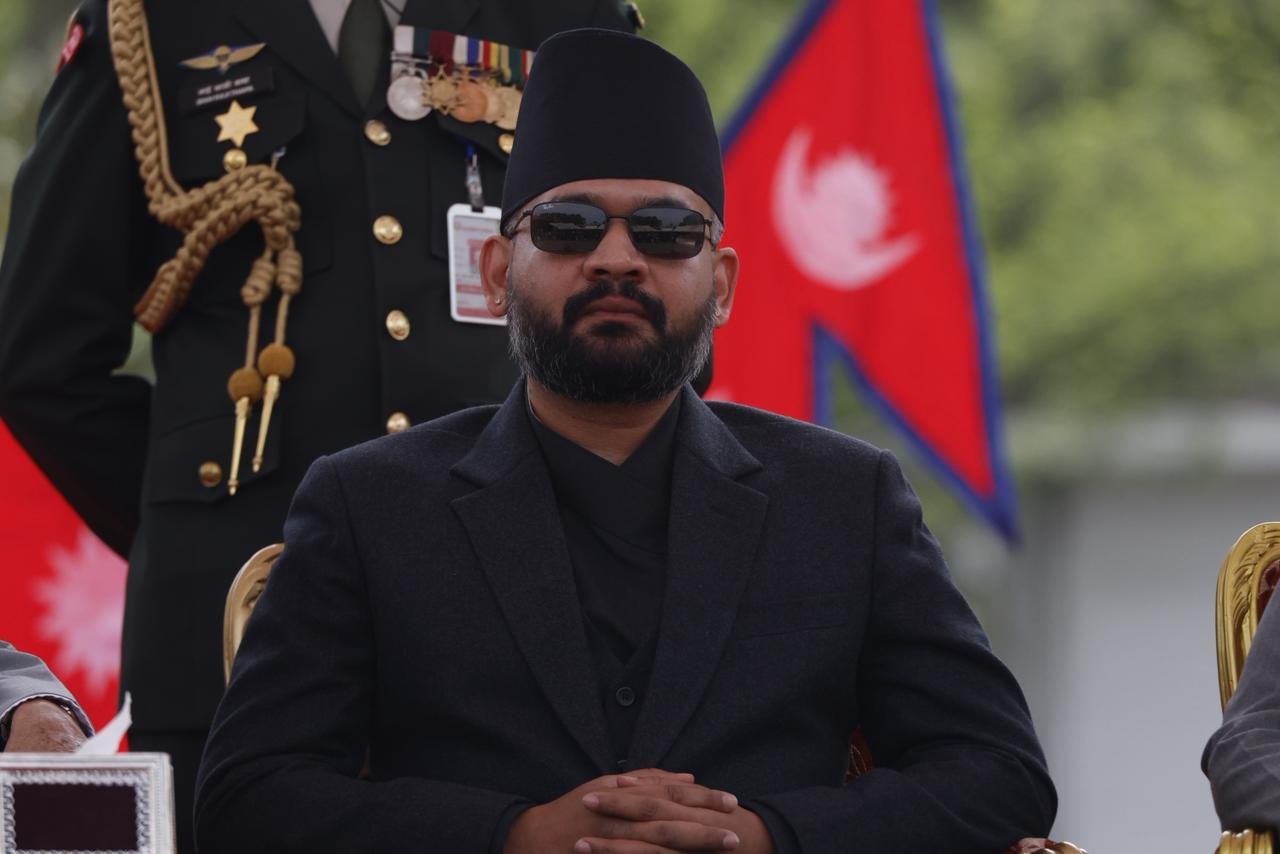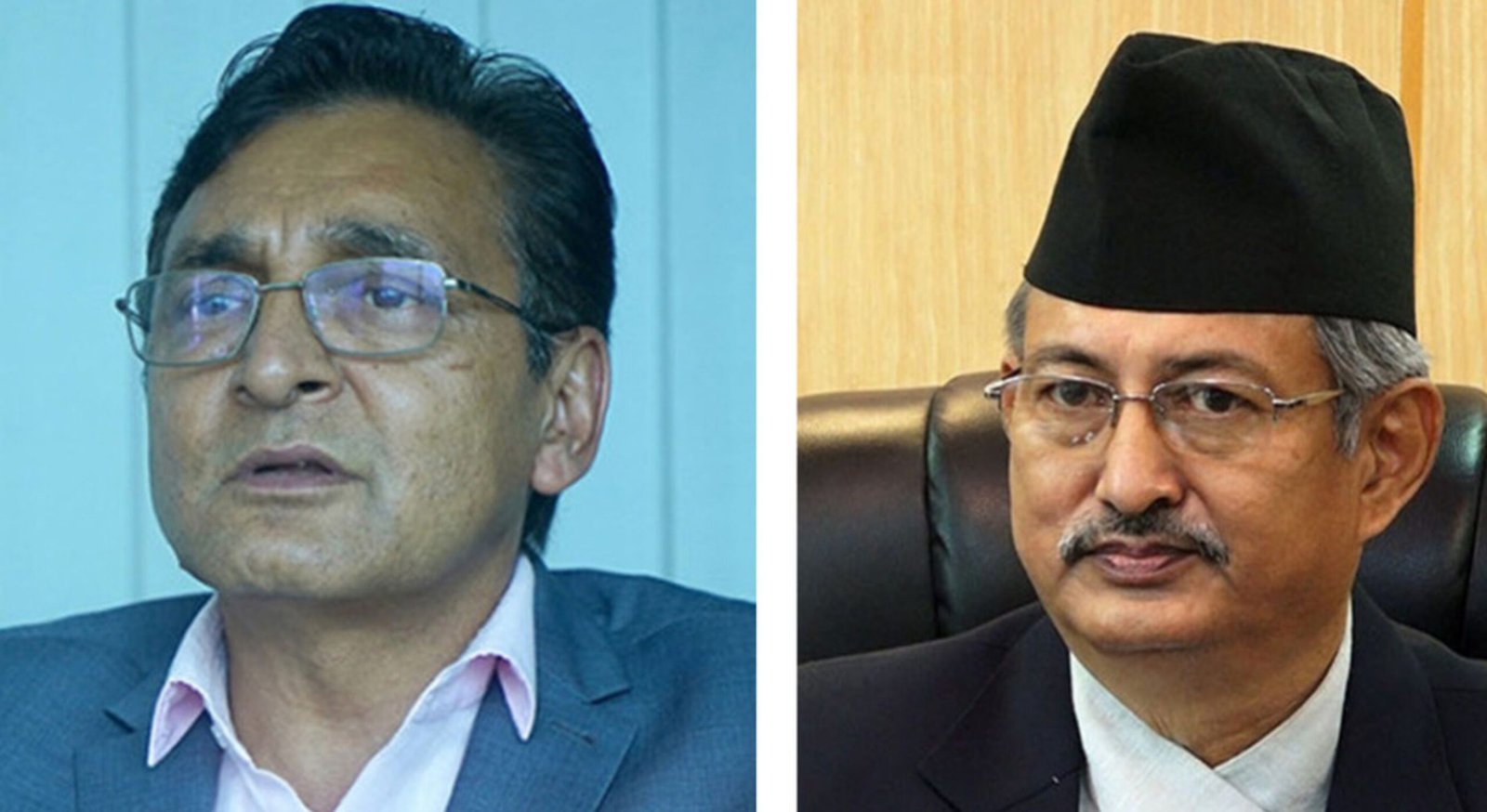
The Kathmandu District Court has delivered its long-awaited verdict in the high-profile fake Bhutanese refugee scam, one of Nepal’s biggest corruption cases in recent years. A single bench of Judge Tej Bahadur Khadka found 23 of the 30 defendants guilty on various charges, while acquitting seven others.
The court convicted two former ministers—Top Bahadur Rayamajhi and Bal Krishna Khand—for their involvement in the organized fraud that exploited Nepalis by falsely promising to send them to the United States under the Bhutanese refugee resettlement program.
According to the verdict, former Deputy Prime Minister and senior CPN-UML leader Top Bahadur Rayamajhi was found guilty of organized fraud, offenses against the state, and the integrated (combined) offense. Former Home Minister and senior Nepali Congress leader Bal Krishna Khand was convicted of aiding and abetting fraud and organized crime.
The court acquitted seven defendants, while all remaining accused were found guilty of offenses including fraud, organized crime, and crimes against the state. The sentencing hearing, during which the court will determine the prison terms and fines for those convicted, will take place in the next phase of the judicial process.
The fake Bhutanese refugee scam came to light in 2023 after investigators uncovered a criminal network that deceived hundreds of Nepalis by claiming they could be registered as Bhutanese refugees and resettled in the United States under a third-country resettlement program.
The scheme targeted individuals seeking better economic opportunities abroad. Victims reportedly paid millions of rupees to brokers and influential figures who promised to secure their migration by fabricating documents identifying them as Bhutanese refugees. Investigators estimate that the network collected hundreds of millions of rupees through the fraud.
The investigation implicated politicians, former senior bureaucrats, security officials, middlemen, and other influential individuals. The case attracted nationwide attention because it involved prominent political leaders and exposed alleged abuse of state institutions and official documents.
The United States’ Bhutanese refugee resettlement program, launched in the late 2000s, was designed to resettle genuine Bhutanese refugees who had lived for decades in refugee camps in eastern Nepal after being displaced from Bhutan. The program officially ended after the vast majority of eligible refugees had been resettled. The accused exploited the reputation of that humanitarian initiative by falsely claiming they could include Nepali citizens in the program in exchange for large sums of money.